
During the Defining Client Needs class I developed multiple sketches with the goal of designing a logo that will attract tourism to the city of Kyoto, Japan. Throughout this project research has become the most important part of the creative process.
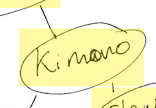
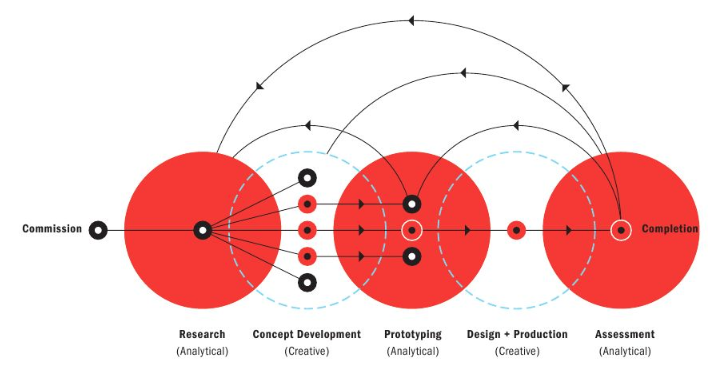
The commission was to choose either the city of Kyoto, Marrakesh, or Reykjavik and design a logo promoting tourism. Knowing the commission, my next step was to conduct research on each of the cities under the categories of culture, tradition, and geography. This research led me into the start of the concept development process, in which I recollected all the researched data and added it into a total of nine mind maps (three mind maps per city). I concluded this step by highlighting the concepts that I believed were going to be the most useful for the rest of the project.
After creating the mind maps I decided to choose Kyoto as my subject for the final design, and I started the prototyping process. Through this process I made over seventy five sketches based on the information found on the mind maps and on David Airey’s elements of iconic design. While prototyping, the mind maps became essential to start sketching, yet i would run out of ideas and was forced to go back into deeper research in order to come up with more unique sketches. An example of that took place during the sketching of “kimonos”. After making a sketch about kimonos I went back into research and found that Kyoto has a special type of dye system that is used for the coloring their kimonos. After even deeper research I found that some kimonos have specific patterns printed into them. This extra research gave birth to more specific and unique sketches.
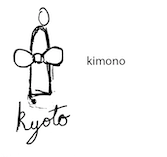


Now I am in the design and production phase. As of now I have submitted my sketches for peer review and criticism. I hope to receive enough constructive feedback that will lead me into choosing a couple of prototypes to refine and come up with some preliminary sketches. From there I will be choosing a final design and will complete it by first comparing it to my previous research, my developed concepts, and prototypes in order to make it the best that it can be.
My process according to A Designer’s Research Manual: Succeed in Design by Knowing Your Clients and What They Really Need, by Jennifer Visocky O’Grady and Ken O’Grady:
During this month this month I received criticism from both my sketches and design process. Though both criticisms complimented my designs, they also coincided in one major fault. When doing my research I focused mostly on what makes Kyoto unique from the rest of Japan and how to use that information to express the exclusivity of the region in the field of tourism. While that research became base for unique concepts, I conducted little research on the consumers and what demographics tour Kyoto the most. This lack of research became apparent in my sketches, delivering designs mostly approachable to western culture rather than Asian culture.
In the future I will make sure to separate my research into sections and cover each area one by one rather than all of it together. I will make sure to make separate research in each of the topics of the brand, the consumer, and the product. I will also create personas in order to design specifically for the demographic that the design needs to impact.
References:
Airey, D. (2015). Logo design love: a guide to creating iconic brand identities. Berkeley, Ca.: New Riders.
OGrady, V., & Jennifer. (2009). Designers Research Manual: Succeed in Design by Knowing Your Clients and What They Really Need.
 Jose Caceres' Mastery Journal